

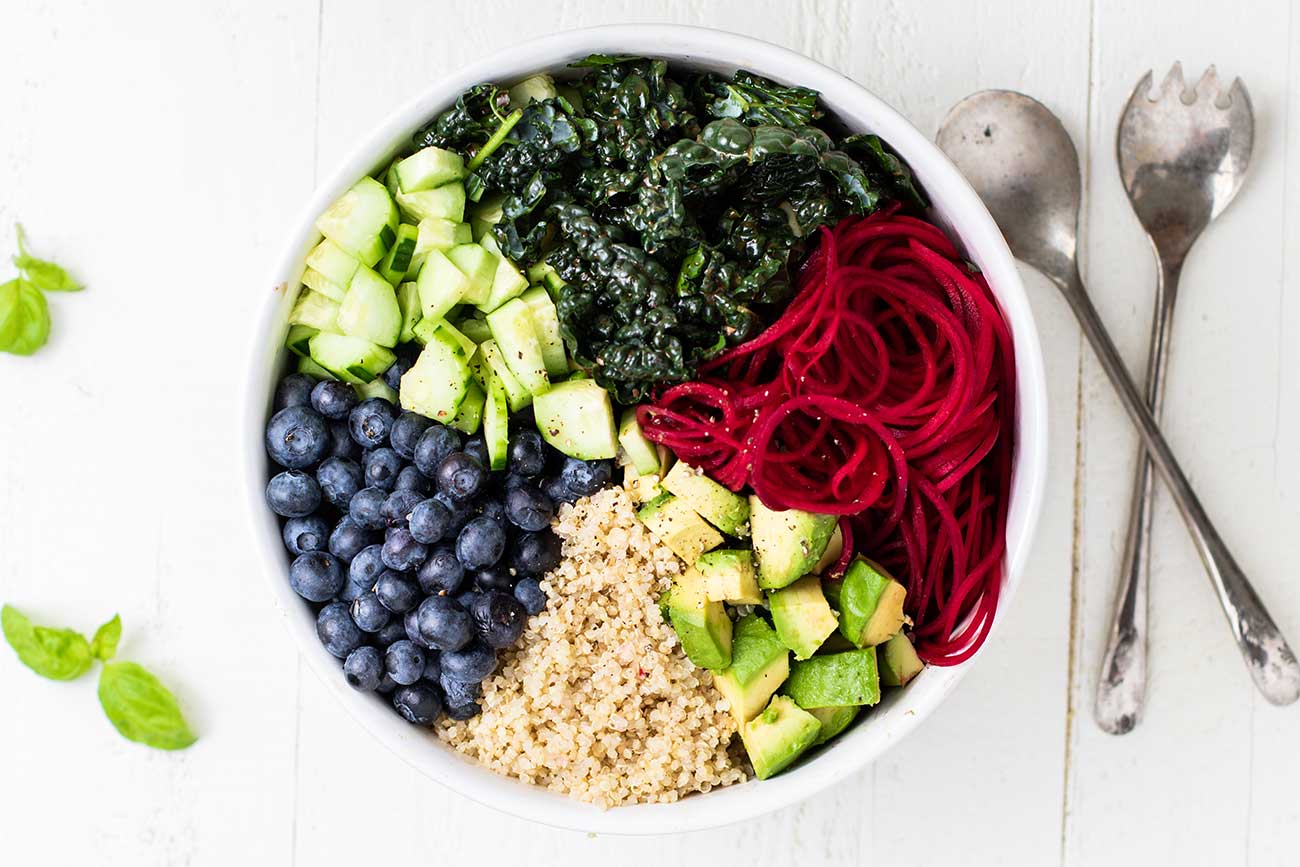
What is a Superfood?
The concept of a “superfood” has gained significant popularity in recent years, captivating health enthusiasts and nutrition experts alike. But what exactly is a superfood? At its core, a superfood is a nutrient-rich food considered to be especially beneficial for health and well-being. These foods are often lauded for their exceptional concentration of vitamins, minerals, and antioxidants, which can provide numerous health benefits. Let’s delve deeper into this fascinating topic to uncover what makes superfoods stand out.
Nutritional Powerhouses
Superfoods are frequently referred to as nutrition giants because of their rich supply of vital nutrients. They generally hold significant levels of vitamins like C, A, and E, crucial for supporting the immune system, enhancing skin wellness, and preventing cell damage, respectively. Minerals including magnesium, calcium, and potassium, vital for bone strength, nervous system operation, and muscle contraction, are also plentiful in superfoods.
Moreover, superfoods are loaded with antioxidants like flavonoids, polyphenols, and beta-carotene, which combat oxidative stress and reduce inflammation in the body. For instance, blueberries are renowned for their high antioxidant content, which can help lower the risk of chronic diseases such as heart disease and cancer.
Samples of Well-Loved Health Foods
Although there is a long list of superfoods, some specific items regularly rank at the top thanks to their outstanding health advantages. Below are a few remarkable instances:
Kale: Often dubbed a “nutritional powerhouse,” kale is rich in vitamins A, C, and K. It is also a great source of calcium, which is vital for bone health. Its high fiber content makes it beneficial for digestive health.
Quinoa: A complete protein containing all nine essential amino acids, quinoa is an excellent source of plant-based protein. It is also rich in magnesium, which is necessary for many biochemical reactions in the body.
Chia Seeds: These tiny seeds pack a punch, offering omega-3 fatty acids, fiber, and protein. They have been linked to improved heart health and weight management.
Avocado: Famous for containing beneficial monounsaturated fats, avocados contribute positively to heart wellness. They also supply potassium and folate, which may assist in managing blood pressure and aiding cellular functions.
Scientific Insights and Health Claims
The expression “superfood” isn’t precisely scientific, and its application in advertising may occasionally result in overstated health assertions. However, numerous studies validate the health advantages of these foods packed with nutrients. For instance, investigations have demonstrated that consuming a diet abundant in fruits and vegetables, which comprise many superfoods, is linked to a reduced risk of persistent illnesses like diabetes, heart-related diseases, and specific types of cancer.
It is also important to note that while superfoods are beneficial, they do not provide a cure-all solution. They should be consumed as part of a balanced diet along with regular physical activity. Relying solely on superfoods without considering overall lifestyle factors will unlikely yield significant health improvements.
Incorporating Superfoods into Your Diet
Incorporating nutrient-rich foods into your meals can be easy and fun. Start with small, manageable adjustments, like adding a few berries to your morning meal or swapping spinach in place of romaine in your salads. Try out novel recipes such as a quinoa salad or a smoothie featuring kale and avocado. When exploring new nutrient-dense foods, it’s important to think about how they align with your everyday nutritional requirements and tastes.
Comprehending and applying nutrient-rich foods can enable people to make wise and healthier eating decisions. These foods offer important nutrients and can improve well-being when included thoughtfully in a balanced diet. By investigating the abundant array of nutrient-rich foods available, one can find innovative methods to nourish both body and mind, in line with current health practices.
