

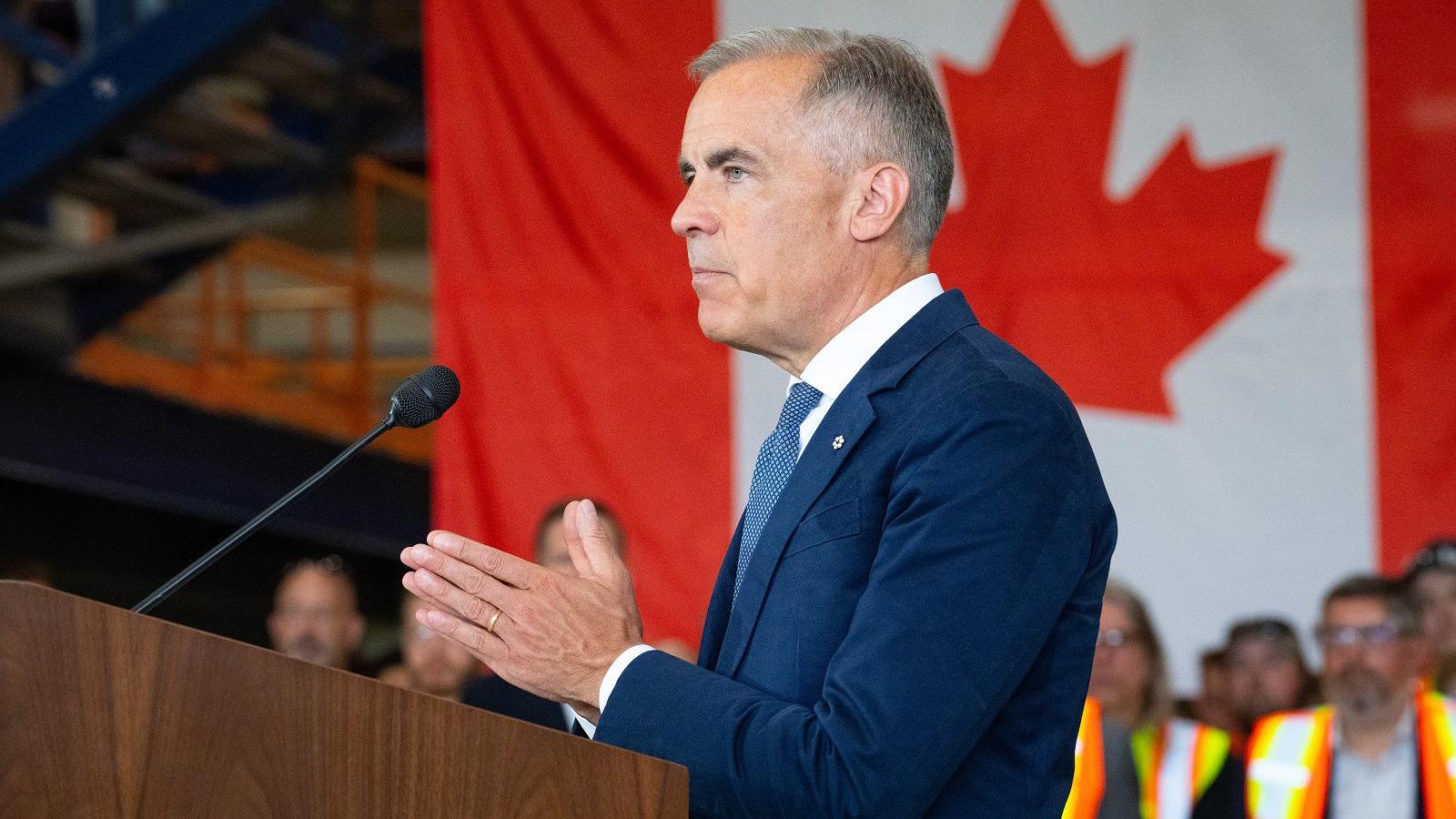
The recent inability to reach a crucial trade deadline between the United States and Canada has created uncertainty among both governments and industry stakeholders regarding the future direction of their economic relations. As talks have come to a halt and important decisions have been deferred, focus is now on how this delay might affect cross-border trade, regulatory coordination, and long-term trade strategy.
The originally established timeline, part of wider initiatives aimed at updating bilateral trade agreements, expired without resolution because of ongoing disagreements in crucial areas like farming, car production, and digital trade. Even though there were several negotiation sessions and public declarations affirming mutual dedication to achieving an agreement, negotiating parties couldn’t conclude the terms before the deadline.
Este lapso no implica que el comercio entre las dos naciones se detendrá completamente. Estados Unidos y Canadá continúan siendo los principales socios comerciales uno del otro, con miles de millones de dólares en bienes y servicios cruzando la frontera a diario. Los acuerdos vigentes, como el Acuerdo Estados Unidos-México-Canadá (USMCA), siguen en vigor y continúan ofreciendo una estructura base para la cooperación económica.
However, the missed deadline may delay updates or amendments to those agreements that many industries were counting on to resolve longstanding regulatory inconsistencies, ease tariffs, or open new markets. Sectors like dairy, lumber, e-commerce, and green technology were especially keen on seeing clearer terms that would provide greater predictability and lower trade barriers.
For those involved in farming, especially within Canada’s supply-managed dairy industry, lingering doubts about market entry and export limits continue to be worrisome. Simultaneously, manufacturers and digital service companies based in the United States have shown dissatisfaction with regulatory procedures and technical standards, which they claim hinder progress and competitive advantage.
Officials from both sides have signaled their intent to resume negotiations, but the political climate—especially with upcoming elections in the United States—may complicate the timing and substance of future discussions. Trade, often a politically sensitive topic, could become further entangled with broader geopolitical debates and domestic economic priorities.
Analysts propose that the expiration at the cutoff might have been more about strategy than inherent issues. Put simply, the negotiators could have deliberately let discussions falter to extend the period for further consultations, input from stakeholders, or political maneuvering. Nevertheless, the perception of a missed deadline can undermine trust among corporate leaders and investors looking for consistent trade relations.
The postponement also impacts North America’s role in worldwide trade interactions. With changing relationships, new markets, and growing competition from Asia and Europe, both Canada and the United States are keen on showcasing a cohesive approach. Delays in trade progress can impede their ability to effectively negotiate with other global partners or to jointly address worldwide economic issues, such as supply chain interruptions or climate-driven trade regulations.
There is also the possibility of countermeasures or increased tensions if one party feels the other is not negotiating sincerely. Previous disagreements, like those over softwood lumber and aluminum duties, have demonstrated how unresolved trade issues can rapidly intensify. Although neither nation has indicated punishing actions after the deadline passed, the threat persists if discussions do not advance positively.
Beyond bilateral talks at the government level, industry groups from both nations are pressing authorities to promptly resume discussions. Business executives stress the importance of openness, dialogue, and achievable results that tackle actual issues—such as infrastructure constraints, cross-border data exchanges, and carbon cost models.
The broader question now is whether the missed deadline will serve as a brief setback or mark the beginning of a more prolonged impasse. The answer may lie in the willingness of both countries to prioritize trade modernization amid competing national agendas. In the past, economic pragmatism has helped overcome political divides between Washington and Ottawa, and there is cautious optimism that similar momentum can be regained.
While companies reliant on stable trade regulations are opting to monitor the situation closely, numerous businesses are reassessing their supply chain tactics, backup strategies, and regulatory structures to prepare for possible postponements or changes in policy. Some are even contemplating expanding into different markets to minimize risks linked to uncertainties in North America.
The path forward is likely to involve a mix of technical negotiations and political signaling. Upcoming bilateral meetings, trade summits, and ministerial conferences may offer windows of opportunity to revisit the most contentious issues. Moreover, evolving global challenges—from climate change to digital taxation—may create external pressure for both governments to show unity and cooperation.
If a fresh deal or revised framework isn’t reached, the current trade regulations established under the USMCA will persist in directing bilateral trade. Nonetheless, the missed deadline has exposed weaknesses and inefficiencies that require attention. Moving forward, either through official renegotiations or gradual modifications, it will be crucial to find a middle ground between national priorities and mutual economic aims.
The resilience of the US-Canada trade relationship will be measured not just by the ability to meet deadlines but by how effectively both countries can adapt to changing economic realities while maintaining trust, fairness, and mutual benefit. As negotiations resume and policies evolve, stakeholders across the continent will be watching closely—and preparing for whatever comes next.
