

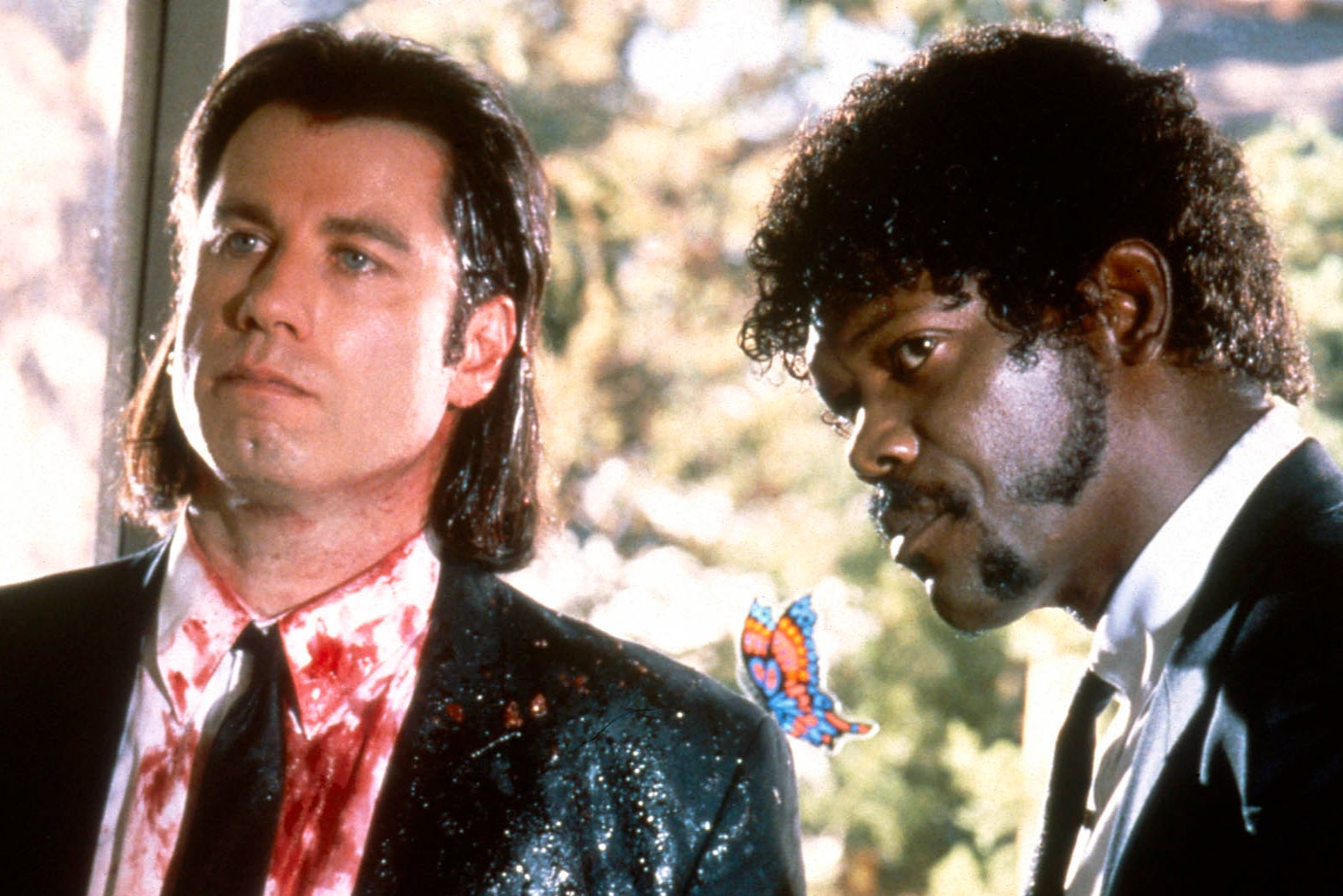
The Significance of ‘Pulp Fiction’ in Independent Cinema
Pulp Fiction, directed by Quentin Tarantino and released in 1994, is widely acknowledged as a groundbreaking film in the world of independent cinema. Its influence goes well beyond its novel storytelling and distinctive violence, serving as a pivotal moment for both filmmakers and the broader film industry.
Background Overview: The Condition of Independent Film Before 1994
In order to recognize the significance of Pulp Fiction, one must comprehend the state of independent film prior to its arrival. In the late 1980s and early 1990s, indie films frequently found it difficult to draw the general public. While events such as Sundance and Cannes provided exposure for indie projects, the majority of independent films faced constraints like limited budgets, narrow distribution, and small box office returns. Noteworthy outliers such as Sex, Lies, and Videotape (1989) suggested the possibility of reaching wider audiences, yet challenges remained in terms of financial success.
Production Model: Budget, Studio, and Distribution
Pulp Fiction was produced by Miramax Films, a studio then known for supporting unconventional filmmakers. The movie was shot on a modest budget estimated at approximately eight million dollars, a fraction of the average cost for major Hollywood productions of the era. The film’s financing partly relied on international pre-sales, a common practice among independent features but rare for American films targeting wide audiences.
After premiering at the Cannes Film Festival, where it won the Palme d’Or, Pulp Fiction secured robust distribution deals, enabling its wide release in both arthouse theaters and multiplexes. Its global box office success, grossing over 200 million dollars, demonstrated the commercial potential of independent films when paired with innovative storytelling.
Artistic Upheaval: Challenging Traditional Storytelling
One remarkable feature of Pulp Fiction is its non-sequential format. Utilizing a disjointed chronology, Tarantino challenged conventional storytelling norms, crafting a network of intertwined narratives. This technique impacted a host of filmmakers, prompting them to delve into non-linear storytelling, alternate viewpoints, and meta-dialogue. Movies like Go, Run Lola Run, and Memento clearly draw inspiration from the narrative experimentation that Pulp Fiction made popular.
The film’s dialogue is another hallmark. Tarantino’s writing blended everyday banter with pop culture references, transforming ordinary conversations into moments of suspense and humor. This style challenged the prevailing wisdom that indie films had to be solemn or overtly artistic to gain traction.
Influence of Culture and Fusion of Genres
Besides its storytelling methods, Pulp Fiction is recognized for its mix of genres. The movie combines elements of crime, dark humor, and neo-noir, drawing inspiration from mid-20th-century American pulp magazines, while incorporating an ironic detachment and modern awareness. This blending enabled independent films to escape strict genre classifications and welcome diverse inspirations.
The movie’s soundtrack highlights its unique strategy. By including a diverse combination of rock, soul, and surf tunes, Pulp Fiction showed how music selection could become a crucial part of a movie’s character—an idea that influenced later independent films.
Changing the Business of Independent Filmmaking
Perhaps most significant, Pulp Fiction altered perceptions of what independent cinema could achieve. It proved that a film outside the studio system, driven by auteur vision rather than committee decision-making, could attain both artistic acclaim and mass popularity. Miramax’s marketing strategy—positioning the film as both edgy and accessible—became a blueprint for promoting future indie releases.
The ripple effect was immediate. Studios began investing in boutique divisions focused on independent films. The careers of actors like John Travolta, Uma Thurman, and Samuel L. Jackson were revitalized, highlighting how indie projects could serve as pivotal platforms for established talent seeking artistic reinvention.
Legacy: Lasting Influence on Filmmaking and Culture
Over subsequent years, Pulp Fiction motivated numerous directors to explore distinctive cinematic perspectives. Its aesthetic—characterized by extended shots, atypical camera viewpoints, and stylized aggression—turned into a visual language embraced by both independent and major studio films. The film’s achievements at prominent award shows, such as the Academy Awards and Golden Globes, validated independent films in the perception of industry players.
In modern times, Pulp Fiction is frequently referenced in pop culture, highlighting its role as an icon of daring creativity. Its impact can be seen from television tributes to spoofs in commercials, spanning various media.
Synthesis: The Symbolic Role of ‘Pulp Fiction’ in Independent Cinema
Pulp Fiction stands as a symbol of artistic audacity and commercial possibility within independent filmmaking. By shattering genre conventions, innovating in narrative form, and achieving worldwide success, it forged a path for subsequent filmmakers to balance creative expression with audience engagement. Its legacy endures as a testament to the dynamism of films made on the periphery of the mainstream, inviting future storytellers to challenge conventions and redefine cinematic norms.
