

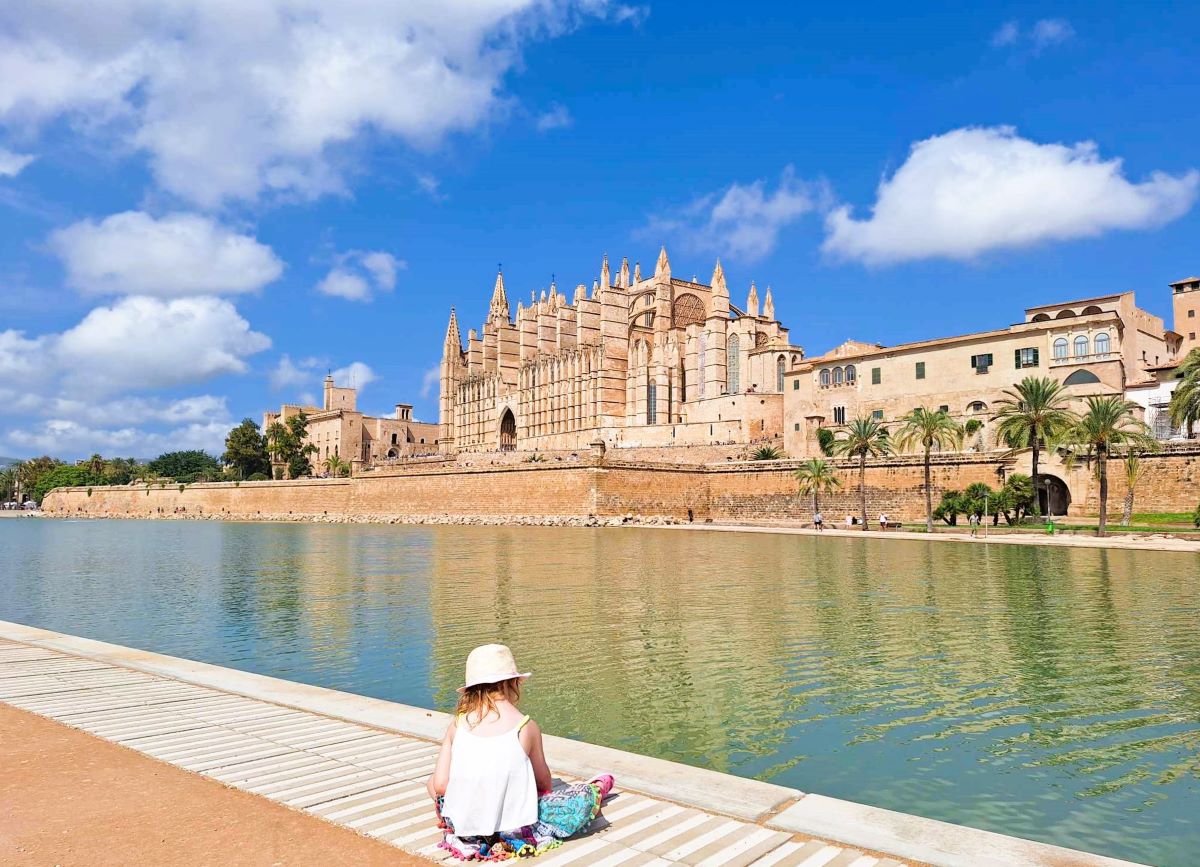
Once known primarily for its sun-drenched beaches and bustling resort towns, the Spanish island of Mallorca is experiencing a quiet transformation. Beyond the well-trodden tourist paths, a growing movement is celebrating traditional craftsmanship and elevating it to a new cultural centerpiece. From ceramics and basketry to textile weaving and leatherwork, Mallorca is redefining its identity through the hands of artisans who are breathing new life into age-old practices.
This resurgence is not just aesthetic—it reflects a broader shift in values. As mass tourism continues to evolve, many locals and visitors are turning their attention toward authenticity, sustainability, and heritage. In Mallorca, this means investing in the art of making things by hand and honoring the legacy of the island’s craftspeople.
The artisanal tradition of Mallorca reaches back hundreds of years, integrating elements from Arab, Roman, and Mediterranean influences into the island’s creative essence. Examples of this age-old craft include ceramics decorated with geometric designs, classic “llata” baskets made from palm leaves, and colorful woven fabrics called “llengües”.
For generations, these crafts served utilitarian purposes—baskets for collecting olives, ceramic jars for preserving food, and textiles for household use. While industrialization and globalization threatened the survival of these traditions, recent years have witnessed a renewed appreciation for the artistry and cultural value they represent.
Across the island, studios, workshops, and cooperatives are gaining visibility, drawing in both locals and tourists who seek more meaningful connections with the place they visit. In towns like Sóller, Deià, and Pollença, artisans are blending traditional methods with contemporary aesthetics to create pieces that are both rooted in history and relevant to today’s world.
Take, for example, the resurgence of ceramic studios that honor ancient Mallorcan designs while incorporating modern techniques and color palettes. Artists are increasingly collaborating with designers, restaurateurs, and even architects to produce bespoke pieces that reflect Mallorca’s heritage with a fresh perspective.
Textile workshops are also reclaiming the spotlight. The “ikat” technique, used to create the island’s iconic flame-patterned fabrics, has found a new generation of admirers. These textiles, once seen primarily in rustic interiors, are now featured in boutique hotels, fashion collections, and design stores that value craftsmanship over mass production.
Mallorca’s revival of traditional craft speaks to a larger global trend: the desire for cultural preservation and environmental responsibility. Consumers are increasingly seeking goods with traceable origins, minimal ecological footprints, and human stories behind them. Handmade objects inherently carry these qualities—they embody patience, skill, and often a deep connection to the land and its history.
For Mallorca, this movement is also about reclaiming agency. In a region where tourism has historically dominated the economy, prioritizing craft allows for diversification and a more resilient local economy. Artisans not only preserve the past—they shape the island’s future by offering an alternative to disposable consumer culture.
This becomes especially clear in the expansion of markets and events that highlight local creators. Craft fairs, studio open days, and cultural celebrations are turning into major highlights on the island’s schedule, providing artists with an opportunity to present their creations and interact directly with the public.
As travelers become more discerning, many are moving away from all-inclusive resorts and toward immersive, localized experiences. Craft-centered tourism is part of this shift. Visitors want to understand the places they visit—how they’re built, what stories they tell, and who the people behind them are. Craft offers a tangible way to do this.
Tour operators, hotels, and even municipalities are embracing this shift by including artisanal workshops in their offerings. Travelers can learn to weave a basket, mold clay into a bowl, or dye textiles using natural pigments, leaving with both a keepsake and a deeper understanding of the island’s culture.
Some boutique hotels are partnering directly with local artisans to furnish their spaces, creating environments where every object tells a story. Others commission custom pieces or offer curated collections of handcrafted items for guests to purchase, thereby supporting the local economy and promoting sustainable tourism.
The safeguarding of Mallorca’s artisanal customs relies heavily on educational efforts. Fortunately, more resources are being allocated by schools and cultural centers toward the instruction of age-old methods. Child-focused workshops, internships for the younger population, and partnerships between higher education institutions and craftsmen all contribute to the continuation of these techniques.
At the same time, innovation plays a key role in keeping craftsmanship alive and relevant. Digital tools and social media allow artisans to reach a wider audience, build their own brands, and tell their stories in compelling ways. Some creators are incorporating modern materials, sustainable processes, or experimental forms into their practice, keeping their work dynamic and adaptable.
This delicate balance between honoring tradition and embracing the future is what makes Mallorca’s craft revival so compelling. It’s not about nostalgia—it’s about resilience, reinvention, and pride.
What’s happening in Mallorca is more than a trend—it’s a cultural reawakening. By placing craft at the center of its identity, the island is choosing to celebrate its roots, empower its communities, and invite visitors to experience a slower, richer, and more intentional way of life.
This transformation is shaping not only how Mallorca is seen from the outside, but also how it sees itself. As artisans take center stage, they are not only preserving the past—they are helping to carve a more sustainable and soulful future for the island.
