

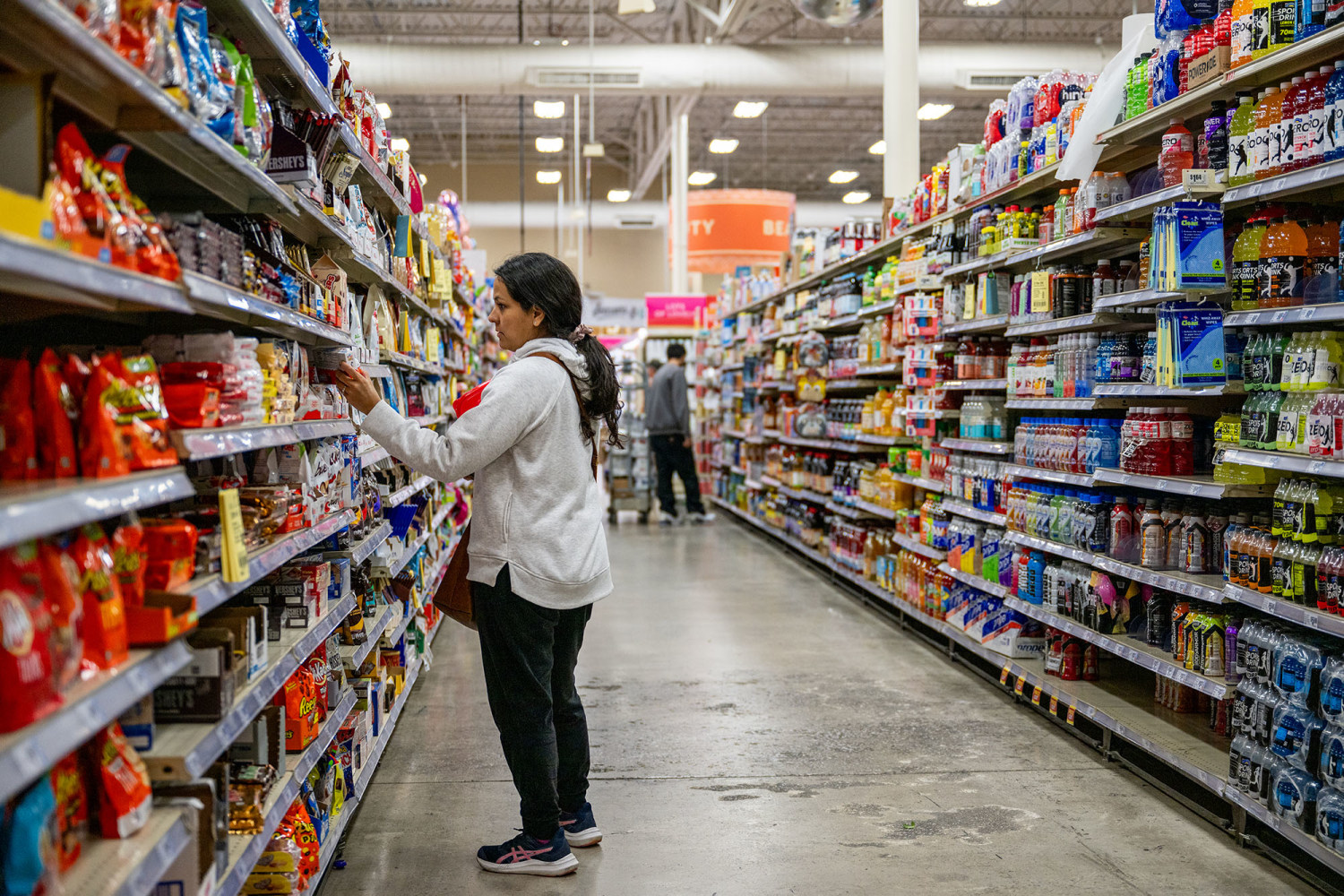
Last month, consumer expenditures witnessed an unforeseen increase, with retail sales climbing more considerably than analysts had anticipated. This rise indicates revived momentum within the retail industry, presenting cautious hope for the broader economy despite continuous concerns about inflation, interest rates, and changing consumer habits.
According to newly released data, sales across a wide range of retail categories experienced notable growth. From clothing and electronics to food and home improvement, retailers saw higher foot traffic and stronger online demand than originally forecast. Economists had anticipated a modest increase, citing rising prices and economic uncertainty as potential barriers, but consumers appeared willing to spend at a higher rate than many anticipated.
A probable factor contributing to this increase was likely seasonal shopping. A mix of summer sales, preparations for the school year, and travel-related buying led to higher expenditures. Gains were observed in department stores, sporting goods sellers, and dining establishments, indicating that consumer confidence stayed fairly stable despite external challenges.
E-commerce was a key factor in the previous month’s retail results. Internet-based platforms kept a major portion of consumer spending, thanks to evolving shopping patterns that started during the pandemic. A number of major retailers announced quarterly outcomes that exceeded expectations, crediting their achievements to enhanced digital systems, focused promotions, and efficient logistics.
This stronger retail performance has implications for both investors and policymakers. On one hand, the data may indicate that consumers still have spending power, which could help keep the economy on a growth trajectory. On the other hand, it may also raise concerns for the Federal Reserve, which has been closely monitoring consumer behavior as it weighs further actions to control inflation.
In the event that demand stays strong, it might make it more challenging to steady prices, especially if supply chains have difficulty keeping up. Although inflation has eased off its peak, it is still higher than the Fed’s goal, leading to continuous discussions regarding when and whether further interest rate changes are needed. A thriving retail sector might increase the push to tighten monetary policy sooner rather than later.
Still, not all segments of the retail market benefited equally. While discretionary categories saw gains, some essential goods—including groceries and fuel—showed more modest growth or even slight declines in volume, suggesting that consumers may be shifting their priorities or adjusting to higher baseline prices. This nuanced spending pattern reflects a balancing act for many households, managing both non-essential indulgences and rising costs of necessities.
Another element influencing the rise in sales might be the current robustness of the job market. As unemployment figures stay low and salaries slowly rise, numerous consumers seem more assured about their financial situation. However, salary increases have not uniformly matched inflation across all industries, and the savings gathered during the pandemic are starting to diminish for certain families.
Retailers have also become more strategic in recent months, tailoring promotions and adapting inventory to meet evolving demand. Many companies have adopted more flexible pricing strategies, leaned into loyalty programs, and introduced limited-time offerings to encourage spending. These efforts may be paying off, as customer engagement appears to be on the rise, especially in sectors that emphasize experience and personalization.
Looking ahead, it remains to be seen whether this uptick in retail sales will sustain over the coming months. The holiday season, traditionally a major driver of retail revenue, is still several months away, and consumer sentiment could shift based on economic indicators, global events, or changes in fiscal policy. Additionally, factors such as student loan repayment resumption, rising credit card debt, and housing affordability may begin to weigh more heavily on spending habits.
Market experts are also closely monitoring consumer credit information. The latest reports reveal a consistent increase in revolving credit usage, which suggests that certain households might be leaning more heavily on debt to sustain their present spending habits. Although this can momentarily boost retail sales, it generates worries about long-term financial sustainability if economic conditions worsen.
From the viewpoint of the sector, the robust retail outcomes present a chance. Companies capable of swiftly adjusting, handling stock effectively, and consistently introducing new ideas in both brick-and-mortar and online retail environments have a better chance to endure future uncertainties. Smaller merchants, especially, might gain from agile methods and targeted marketing, while larger networks need to keep enhancing their multi-platform approaches.
The retail sector’s better-than-expected results last month suggest that consumers remain active participants in the economy, despite lingering economic headwinds. This resilience provides a measure of reassurance, but it also underscores the complex landscape that retailers, policymakers, and consumers must navigate. As spending patterns evolve and the economic environment shifts, the retail industry’s adaptability will remain a key factor in sustaining growth.
