

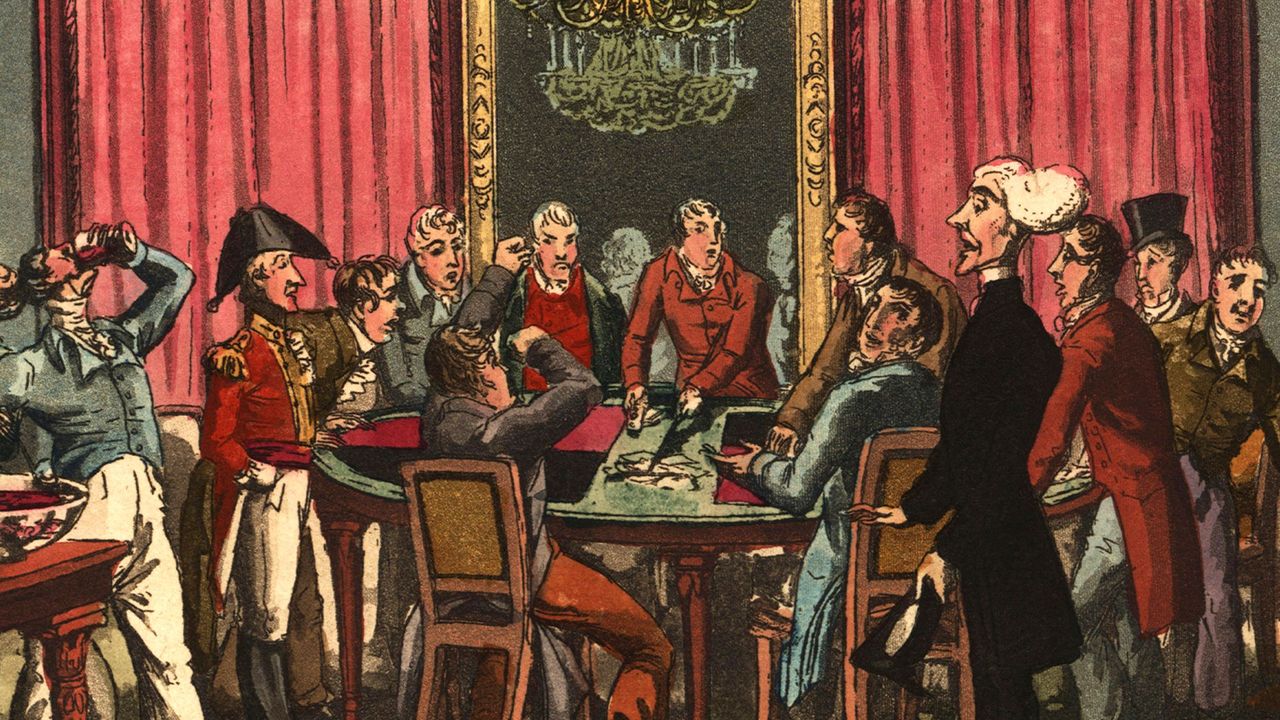
The custom of exclusive clubs has been a remarkable aspect of British society, where private membership establishments provide a space of comfort and social standing for their chosen members. For many years, these clubs have represented not just esteem and advantage but also a profound connection to accepted traditions and exclusivity. A key issue with numerous of these clubs has been the historical omission of women, a practice which, for a significant part of their existence, was an unspoken yet widely accepted standard.
The appeal of belonging to a private club in Britain is often tied to a cultural preference for structure, hierarchy, and the comfort of belonging to a clearly defined community. Membership has traditionally signified more than access to elegant dining rooms or private libraries; it has represented acceptance into an elite circle with shared values, traditions, and social connections. For many members, the club is a second home, a sanctuary where the outside world, with its changes and challenges, feels held at bay.
However, this deep-seated attachment to the old ways has also fostered an environment resistant to change, particularly when it comes to gender inclusion. Many of the UK’s most famous clubs, some dating back centuries, maintained male-only membership policies well into the modern era. For decades, the exclusion of women was rationalized as a preservation of tradition, a means of maintaining a “gentlemen’s space” free from what was seen as the disruptions of mixed company.
Such exclusionary practices were not limited to obscure or minor establishments. Some of London’s most prominent clubs, located along the city’s historic Pall Mall and St. James’s areas, upheld these policies. The aura of exclusivity was often reinforced by an architectural grandeur that spoke of history and tradition, with ornate interiors and venerable membership rolls that read like a who’s who of British political, financial, and cultural life.
The resistance to admitting women was occasionally challenged, but those pushing for reform often faced steep opposition. Critics of these clubs pointed out that such policies perpetuated not just social inequality but also institutional sexism. They argued that by keeping women out of spaces where networking and decision-making occurred, these clubs contributed to broader patterns of gender imbalance in the workplace and in public life.
The transition towards becoming more inclusive was neither rapid nor straightforward. Institutions faced a combination of evolving societal norms, public scrutiny, and occasionally legal challenges that compelled them to reconsider their membership criteria. Several clubs, after lengthy internal discussions which underscored the conflict between maintaining traditions and accepting equality, eventually began allowing women to join.
Even as barriers were lifted, the process of integration was not always smooth. Some women who joined formerly male-only clubs reported feelings of being treated as outsiders, with longstanding members clinging to the old order. Others faced subtle forms of exclusion, such as limited access to certain areas or events that remained informally male-dominated. In some cases, the change in membership policy did little to alter the club’s culture, which continued to reflect values and social practices rooted in a bygone era.
The legacy of exclusion still shapes perceptions of these clubs today. For some observers, they remain symbols of an outdated Britain, clinging to class distinctions and gender divisions that no longer reflect contemporary values. For others, the clubs are seen as harmless relics, offering continuity in a rapidly changing world. The debate over their relevance and inclusivity continues to mirror broader conversations about tradition, progress, and social equality in British society.
Over the past few years, certain clubs have made significant efforts to update themselves by launching diversity programs, refreshing their interiors, and broadening their cultural activities to attract younger and more diverse members. These measures indicate an understanding that thriving in the 21st century necessitates flexibility. However, the careful equilibrium between respecting tradition and promoting inclusivity remains sensitive, and not every club has adopted change to the same extent.
The controversy over gender exclusion in British clubs is not merely a historical footnote; it highlights the enduring power of social institutions to shape opportunity and belonging. The decision to include or exclude speaks to deeper questions about identity, privilege, and the ways in which societies negotiate the tension between heritage and progress.
The transformation of these clubs acts as a small-scale representation of larger social changes. As societal standards change and new generations question traditional practices, institutions previously seen as unchangeable are forced to adjust. Whether these long-established British clubs will prosper in a world progressively characterized by inclusivity and equality is still uncertain. However, it is evident that their journey of change provides important understanding into the complexities of societal shifts and the ongoing impact of tradition in forming shared identity.
