

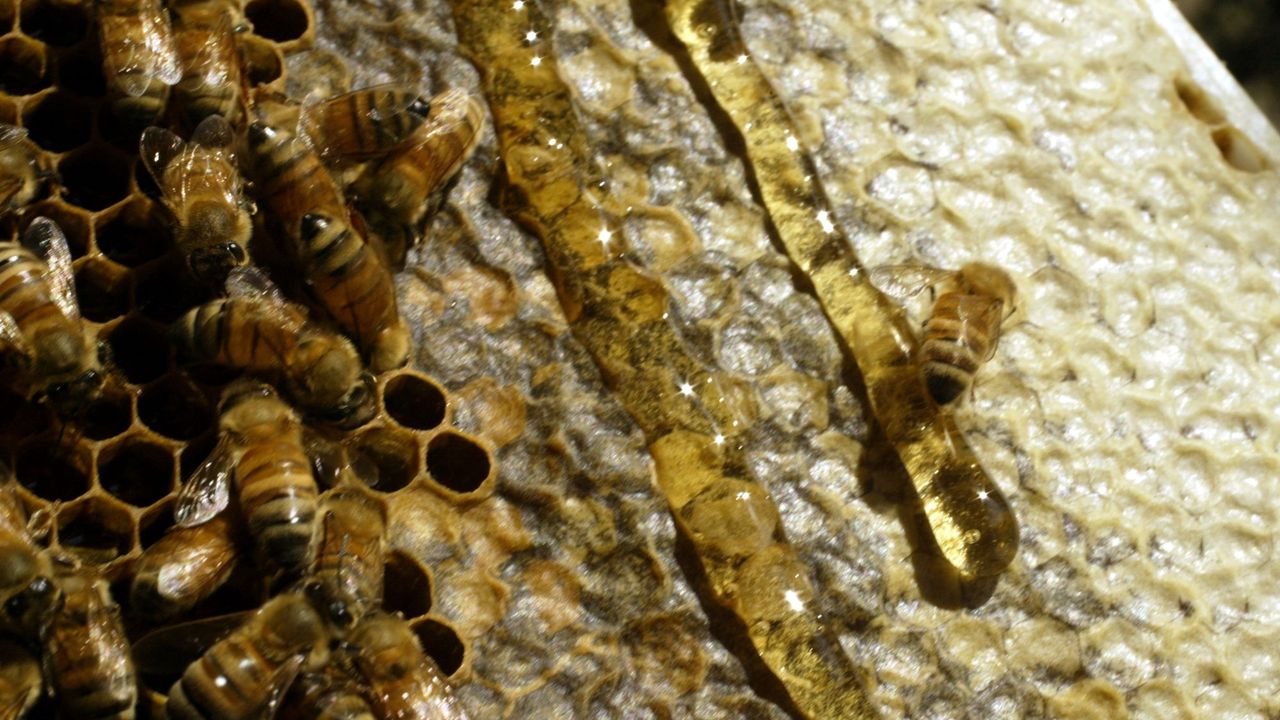
Honey is one of the few natural foods that can last indefinitely without spoiling, a fact that has fascinated scientists, historians, and food enthusiasts alike. Archaeologists have uncovered pots of honey in ancient Egyptian tombs that are thousands of years old—and still perfectly edible. What makes this golden substance so resistant to the passage of time? The answer lies in a unique combination of chemical properties and environmental conditions that work together to create a naturally long-lasting food.
Unlike most perishables, honey resists spoilage due to a perfect storm of chemistry. One of the primary reasons for its longevity is its low moisture content. With an average water content of only about 17%, honey creates an environment in which bacteria and other microorganisms struggle to survive. Most microbes require a water activity level above 0.91 to thrive, but honey’s level sits far below that threshold, effectively inhibiting microbial growth.
Another essential factor contributing to honey’s long-lasting nature is its elevated sugar level. Primarily made up of glucose and fructose, honey typically contains about 80% sugar. This results in a hyperosmotic condition, which pulls moisture from microbial cells, drying them out and eliminating them before they can proliferate. In other words, the sugar in honey serves as a natural preservative.
In addition to being unfriendly to microorganisms, honey possesses a naturally acidic pH, generally fluctuating between 3.2 and 4.5. This acidity enhances its antimicrobial properties. To put it in perspective, lemon juice shares a comparable pH, and this degree of acidity is sufficient to inhibit most bacterial activities. The acidic conditions make it challenging for molds, yeasts, and other spoilage organisms to thrive, thus further shielding honey from degradation over time.
However, honey’s protective features are not limited to that. It is also rich in various bioactive elements that boost its ability to preserve. One significant component is hydrogen peroxide. During the creation of honey, bees add an enzyme named glucose oxidase to the nectar. When honey is mixed with liquid—like on a wound or in a cup of tea—this enzyme aids in transforming glucose into gluconic acid and hydrogen peroxide, both known for their antimicrobial properties. Even though the concentration of peroxide in unaltered honey is usually minimal, it still plays a role in its impressive longevity.
Honey also contains small amounts of compounds like phenolic acids and flavonoids—natural antioxidants that protect against oxidation and degradation. These antioxidants not only preserve honey’s own quality but may also offer health benefits, contributing to its reputation as a healing food in many traditional systems of medicine.
The conditions in which honey is stored further enhance its durability. When kept in a sealed container and away from excessive moisture, light, or heat, honey remains stable for years—even centuries. If exposed to high humidity, however, honey can begin to absorb water from the air, raising its moisture content and increasing the risk of fermentation. That’s why proper storage is key to maintaining its long shelf life.
It’s important to note that while honey resists spoilage, it can undergo natural changes in texture and appearance over time. One of the most common changes is crystallization, in which the glucose separates from the water and forms crystals. This is a natural and harmless process that doesn’t indicate spoilage. Gently warming the honey can return it to a liquid state without compromising its quality.
The durability of honey has made it not only a culinary staple but also a crucial element in various cultural, medicinal, and religious practices throughout history. In ancient Egypt, honey was used as a wound dressing due to its antibacterial properties. In Ayurveda and traditional Chinese medicine, it is often prescribed to soothe sore throats, support digestion, and promote overall wellness. Its symbolic value, too, is widespread—associated with fertility, abundance, and the sweetness of life in numerous traditions.
From a scientific point of view, honey’s capacity for preservation is a highly refined product of evolutionary refinement. Over thousands of years, bees have optimized the transformation of flower nectar into a durable food supply through natural selection. They accomplish this by repeatedly consuming and regurgitating nectar and letting surplus moisture evaporate within the hive, which creates a substance that is rich in nutrients and resistant to microbes.
Modern researchers continue to study honey not only to understand its longevity but also to explore its broader applications. Its antimicrobial and antioxidant properties have made it a subject of interest in fields ranging from wound care to food preservation to cosmetics. Scientists are even investigating how honey’s chemistry could inspire new approaches to developing natural preservatives and antibacterial agents.
In today’s context of increasing awareness about food waste and sustainability, honey’s natural shelf life stands out as an example of how nature often provides its own solutions. Unlike processed foods that require artificial preservatives or refrigeration, honey remains shelf-stable without any industrial intervention—an appealing trait in a world seeking more natural, resilient food systems.
Ultimately, the secret to honey’s incredible shelf life is a blend of natural factors: low water content, high sugar concentration, acidity, enzymatic activity, and antioxidant presence. Together, these elements create a hostile environment for microbes and a stable matrix that resists degradation. It’s a prime example of how biology, chemistry, and ecology come together to create something both practical and extraordinary.
As consumers become more interested in food science and heritage, honey continues to be both a subject of admiration and a staple in pantries around the world. Its enduring freshness isn’t magic—it’s chemistry, perfected by nature and refined by bees over millions of years.
