

Understanding the signals your body sends is an essential part of maintaining good health, and one of the most overlooked indicators can be something as simple as nasal mucus, commonly known as snot. While it might not be the most glamorous topic, paying attention to the color, texture, and consistency of your mucus can provide valuable insights into your overall well-being and help identify potential health issues before they escalate.
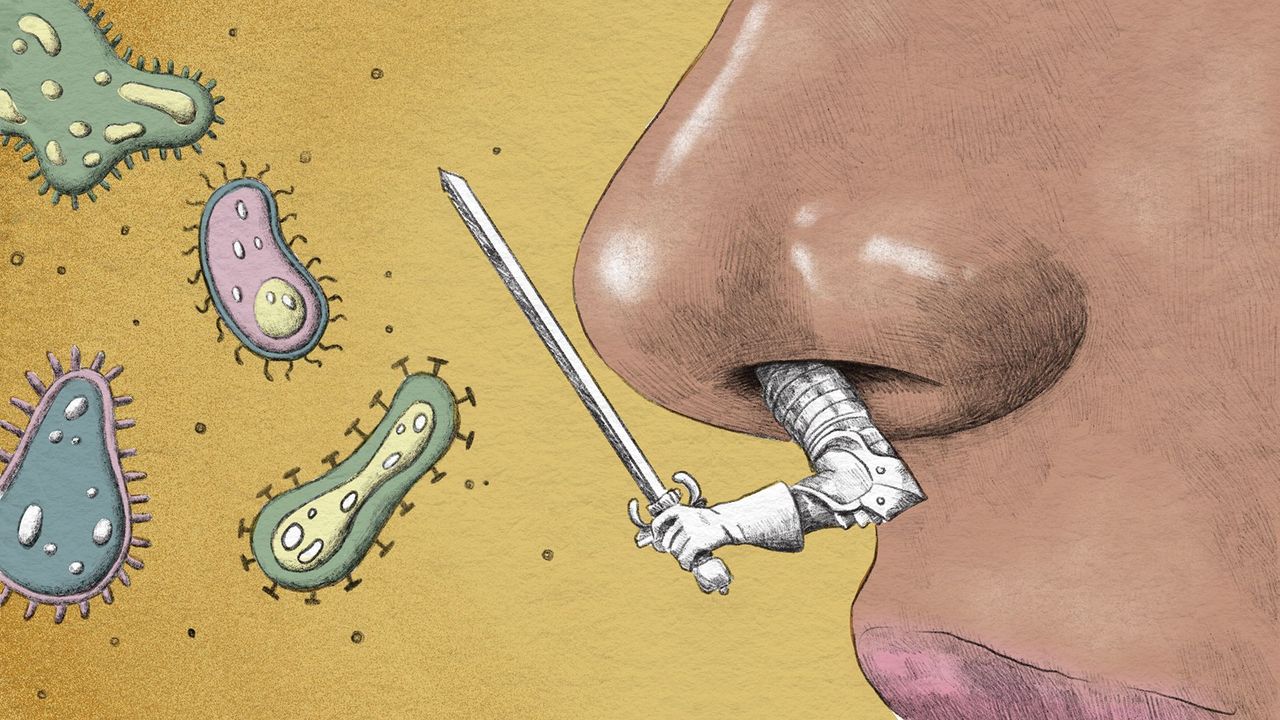
Mucus serves as a protective barrier within the respiratory system, helping to trap dust, bacteria, viruses, and other foreign particles before they can enter the lungs. This sticky substance is produced continuously by the mucous membranes lining the nose and sinuses. Under normal circumstances, it remains clear and fluid, performing its role without much notice. However, when changes occur in the body, such as infections or allergic reactions, mucus often alters in appearance and texture, providing clues about what might be happening internally.
The most common variation people notice is a change in color. Clear mucus generally indicates that the nasal passages are functioning as they should, effectively humidifying and filtering the air you breathe. However, when mucus becomes cloudy or white, it may suggest the early stages of a cold or minor infection. This change occurs as the tissues inside the nose become swollen and inflamed, slowing the flow of mucus and causing it to appear thicker.
Yellow mucus often signals that the immune system is actively fighting an infection. The color stems from the presence of white blood cells that have been dispatched to the site of infection and subsequently broken down. Similarly, green mucus can indicate a more advanced or persistent infection, with an increased concentration of immune cells giving the mucus its darker hue. While green mucus is commonly associated with bacterial infections, it does not automatically mean that antibiotics are necessary, as many viral infections can produce similar symptoms.
In contrast, pink or red mucus typically suggests the presence of blood. This can result from irritated or damaged nasal tissues, often due to frequent blowing of the nose, dry air, or minor injuries. While occasional traces of blood are not usually cause for alarm, persistent or heavy bleeding should prompt medical evaluation. Brown or black mucus is less common and can result from inhaling pollutants, smoke, or dust. In rare cases, it may indicate a serious fungal infection or exposure to harmful substances and should be assessed by a healthcare professional.
The texture of mucus can provide important insights as well. Watery, fluid mucus frequently appears alongside allergic reactions, particularly when caused by pollen, dust mites, or pet hair. This kind of mucus is usually clear and reminiscent of water, leading to symptoms like sneezing, nasal congestion, and itchy eyes. Alternatively, dense, sticky mucus might indicate dehydration, persistent sinusitis, or extended exposure to irritants such as cigarette smoke.
Environmental conditions may significantly impact mucus creation and its characteristics. Dry air indoors, especially in the winter months when heating devices are operational, can cause mucus to thicken and result in nasal irritation. Utilizing a humidifier, ensuring adequate hydration, and using saline nasal sprays are effective in preserving ideal nasal moisture and stopping mucus from excessively thickening.
Mucus is not confined solely to the nasal passages; it also coats other areas of the body such as the throat and lungs. The occurrence of postnasal drip, where surplus mucus gathers at the rear of the throat, may lead to coughing, a sore throat, and the feeling of an obstruction in the throat. Determining and dealing with the root cause, whether it involves allergies, infections, or environmental factors, can help reduce these symptoms.
Certain lifestyle choices can impact mucus production and quality. Smoking, for instance, irritates the mucous membranes and leads to increased mucus production while impairing the cilia—tiny hair-like structures that help move mucus through the respiratory tract. This can result in chronic cough, nasal congestion, and an increased risk of respiratory infections. Reducing or eliminating exposure to tobacco smoke can significantly improve respiratory health and mucus function.
Diet also influences mucus characteristics. Some individuals report that consuming dairy products can thicken mucus, although scientific evidence on this is mixed. Staying hydrated is universally beneficial, as adequate fluid intake keeps mucus thin and helps the body clear out irritants more effectively.
Mucus-related symptoms can sometimes indicate more serious health conditions. Chronic sinusitis, characterized by prolonged nasal congestion, facial pain, and discolored mucus, may require medical intervention. Similarly, persistent cough accompanied by thick mucus could point to underlying respiratory conditions such as bronchitis, asthma, or even more serious diseases like chronic obstructive pulmonary disease (COPD).
Within the realm of infectious ailments, alterations in mucus can act as an initial indicator. For instance, in the period of colds and flu, a rise in mucus production along with shifts in color and texture might indicate the start of viral infections. Early detection of these symptoms can lead to prompt intervention, which may lessen the length and intensity of the sickness.
Recent worldwide health issues have increased the focus on being aware of breathing-related symptoms. Although alterations in mucus by themselves are not conclusive signs of serious illnesses such as COVID-19, they may appear alongside additional symptoms and should be evaluated in the larger framework of a person’s health situation and exposure possibilities.
Ensuring the health of your nasal passages is crucial for mucus to perform its protective functions properly. Basic habits like washing hands regularly, steering clear of known allergens, utilizing air purifiers, and keeping hydrated can promote optimal respiratory health. For those who frequently experience infections or have allergies, discussing preventive measures or treatments with a healthcare professional can assist in symptom management and enhance life quality.
It is important to approach mucus changes with a balanced perspective. While variations in color and texture can provide helpful clues, they are just one piece of the diagnostic puzzle. Other symptoms, duration of illness, and individual medical history must be considered when determining the significance of mucus-related observations. Self-diagnosis based solely on mucus changes is not recommended; professional medical advice should always be sought if there are concerns about one’s health.
Ultimately, recognizing the body’s signals, such as the frequently disregarded hints given by nasal mucus, can enable individuals to take proactive measures towards preserving health and wellness. By comprehending what various qualities of mucus may signify, individuals can make knowledgeable choices on when to consult a healthcare professional, how to handle symptoms, and how to naturally bolster their immune systems.
As research continues to uncover new insights into respiratory health, the role of mucus in protecting the body from harm remains a fascinating and important area of study. Far from being merely an inconvenience, this humble substance offers a window into the body’s internal environment, reflecting the complex interplay between health, environment, and immune function.
